
Understanding HIPPS: Function, Components, and Applications
In industrial settings where the maintenance of operational safety is paramount, it is important to make arrangements for sophisticated pressure protection system. When in high-pressure environments and production fields, a case of overpressure can cause damage to the environment, and infrastructure, and harm people’s lives as well. Reducing that risk on production wells and flowlines is a challenge that can be met with HIPPS.
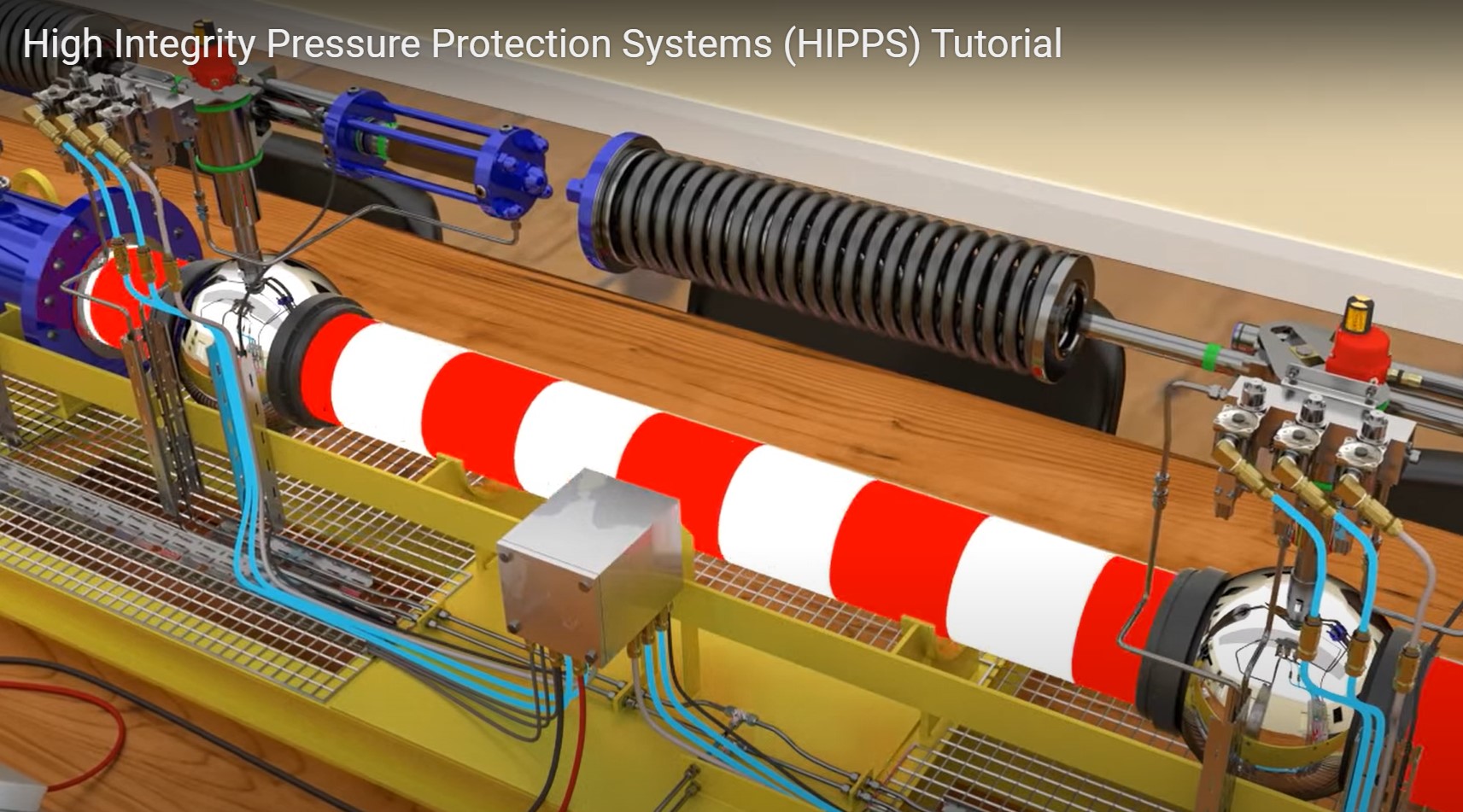
High Integrity Pressure Protection Systems, commonly known as HIPPS, represent a model of engineering and technological innovation. Designed to safeguard complex industrial processes from the risks posed by overpressure scenarios, it plays a pivotal role in preventing catastrophic incidents and maintaining the operational continuity of vital industrial operations. Through their advanced functionality and strategic placement within industrial pipelines and process systems, they ensure the preservation of assets and resources.
The fundamental function of this system lies in its ability to monitor, evaluate, and swiftly respond to variations in pressure, thereby preempting any escalation of pressure beyond pre-defined safety thresholds. Equipped with sophisticated sensors and automated control mechanisms, it continuously analyzes pressure levels within industrial systems, intervening instantly to curtail the flow of fluids and avert potential equipment damage or catastrophic incidents.
The components comprising this system typically include a combination of pressure sensors, logic solvers, and final elements such as valves or rupture discs. The pressure sensors provide real-time data on pressure fluctuations, which is then meticulously analyzed by the system's logic solver. The logic solver, equipped with intricate algorithms and pre-programmed safety parameters, swiftly processes the incoming data and triggers the final elements to initiate the necessary actions to maintain pressure within safe limits.
The diverse applications of HIPPS extend across various industries, including oil and gas, chemical processing, and power generation, where the management of high-pressure systems is integral to operational success. As industries strive to uphold stringent safety standards and mitigate potential risks, the prominence of HIPPS as a fundamental safeguard is set to endure, underlining its pivotal role in preserving the integrity of critical industrial operations.

Comments
Post a Comment